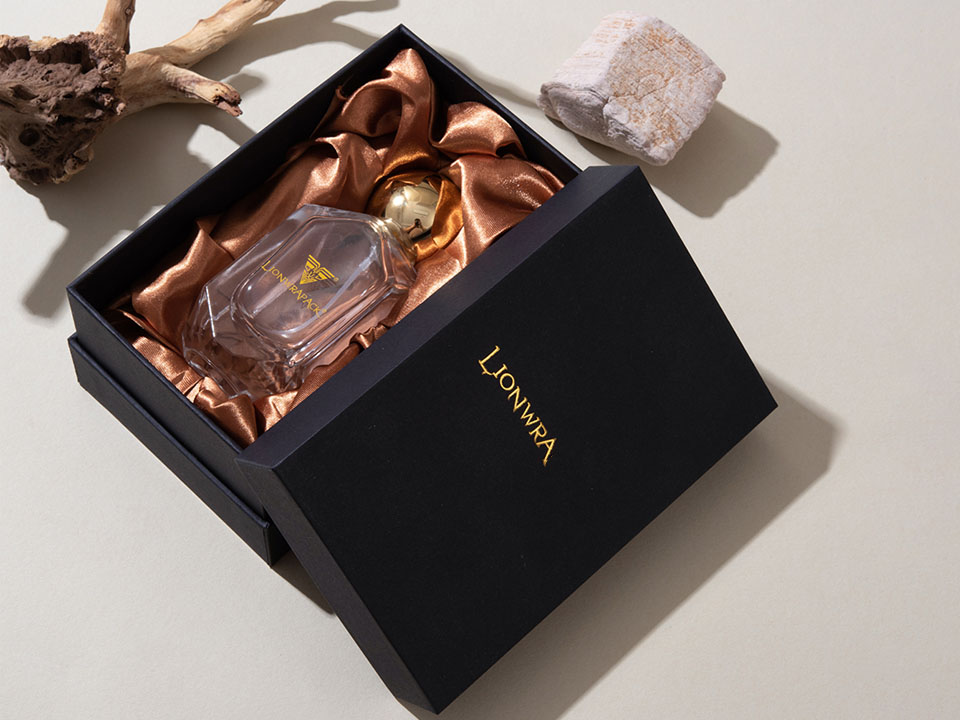
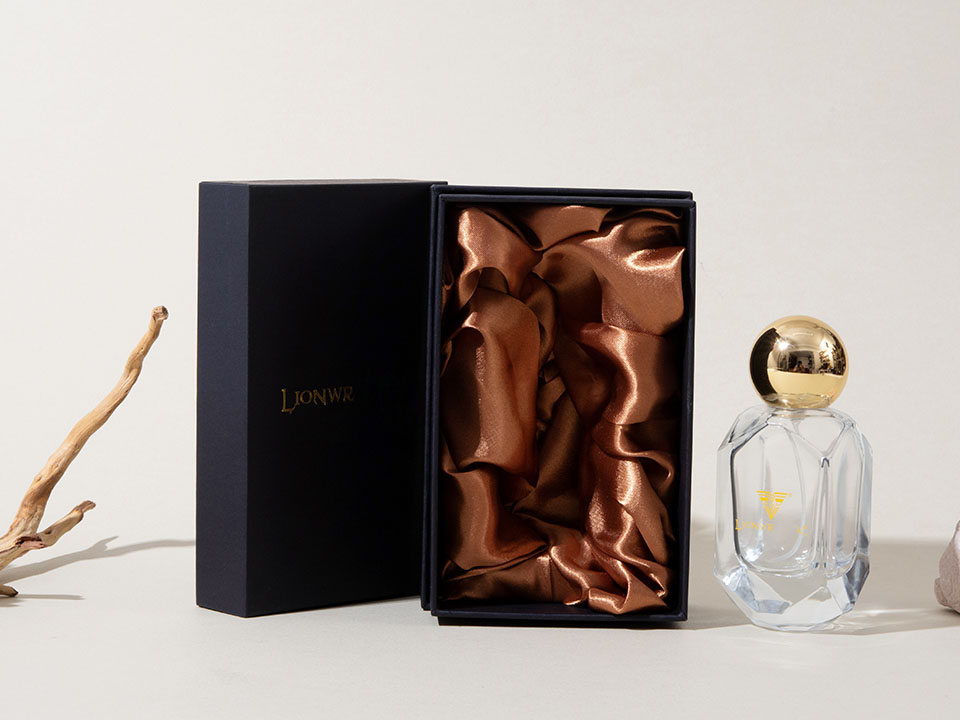
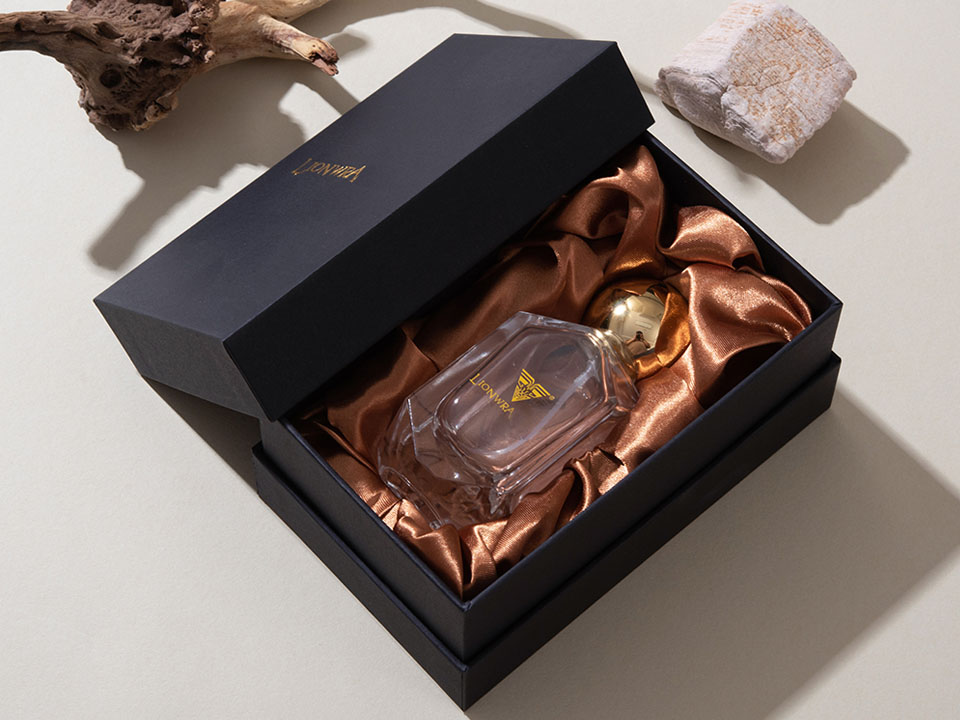
مزايا استخدام الصناديق ذات الأغطية القابلة للرفع في التغليف الفاخر
يُعد صندوق الغطاء القابل للرفع هيكلاً مملًّا ما لم يتم تنفيذه بالشكل الصحيح.
عندها يتغير كل شيء.
لقد رأيت مشترين يستخفون به واصفين إياه بأنه “مجرد صندوق من قطعتين” خلال مرحلة العينة الأولية، ليغيروا نبرة كلامهم فور وضعه بجانب كرتون قابل للطي رقيق، لأن الورق المقوى الصلب، والحواف الأكثر دقة، والإغلاق المحكم للغطاء، والكشف البطيء عن محتوياته، جعلت المنتج فجأة يبدو أقل شبهاً بالمخزون وأكثر شبهاً بالبضاعة. هل هذا غريب؟ ليس تمامًا.
هذه هي المهمة.
في أحد مشاريع تغليف الهدايا الفاخرة، فكر المشتري في البداية في استخدام علبة كرتونية قابلة للطي أرخص ثمناً. كان هذا خياراً منطقياً؛ حيث تتسم بتكلفة أقل للوحدة، وتعبئة أسرع، وشحن أسهل. لكن بعد أن قارناها بصندوق صلب مزود بغطاء قابل للرفع، كان الفرق واضحاً على الفور. فقد وفّر الصندوق الصلب حماية أفضل للزوايا. كما أن الغطاء أبطأ حركة فتح الصندوق. وبدا المنتج أكثر قيمة حتى قبل أن يلمسه العميل.
ولهذا السبب صناديق مخصصة بغطاء قابل للرفع تستمر في الظهور في عبوات فاخرة. فهي توفر الحماية. وتضفي مظهرًا أنيقًا. وتجعل اليد تتباطأ.
وها هي الحقيقة المرة: الصناديق ذات الغطاء القابل للرفع لا تُعتبر تلقائيًّا عبوات فاخرة.
النوع الرديء هو مجرد لوح رمادي باهظ الثمن مغطى بورق جميل.
أصبح المشتري الفاخر أكثر تشككًا الآن
لكن انظروا إلى ما يحدث في قطاع المنتجات الفاخرة. لم يعد السوق يمنح العلامات التجارية تسامحًا بلا حدود.
تشرين الثاني/نوفمبر 2025 تقرير لوكالة رويترز حول تحليل شركة «باين» لقطاع السلع الفاخرة وأشار التقرير إلى أن قاعدة عملاء السلع الفاخرة على مستوى العالم انخفضت من حوالي 400 مليون شخص في عام 2022 إلى حوالي 340 مليونًا في عام 2025. وهذا رقم صادم إذا كنت تبيع منتجات “فاخرة” بمجرد إضافة طبقة من رقائق المعدن، على أمل ألا يسأل أحد عن القيمة الحقيقية.
الناس يلاحظون ذلك.
ووفقًا لدراسة أجرتها شركة «باين» حول قطاع السلع الفاخرة لعام 2025، من المتوقع أن تبلغ مبيعات السلع الفاخرة الشخصية 358 مليار يورو في عام 2025، بانخفاض عن 364 مليار يورو في عام 2024، وفقًا لـ دراسة «باين آند كومباني» حول قطاع المنتجات الفاخرة. هذه الفئة لا تشهد انهيارًا، لكنها لا تعتمد على الأرباح السهلة أيضًا. لذا، عندما تنفق إحدى العلامات التجارية مزيدًا من الأموال على التغليف بالصناديق الصلبة، يجب أن يكون لهذا الصندوق ما يبرر تكلفته.
ليس بالصفات، بل بالبنية.
الصندوق الصلب ذو الغطاء القابل للرفع الجيد يقول: «هذا المنتج يستحق فتحًا أبطأ، وحماية أفضل للزوايا، وعرضًا أنيقًا على الرف، وانطباعًا أوليًا أقوى». أما الصندوق السيئ فيقول: «لقد وافق أحدهم على الخيار المكلف لمجرد أنه بدا جميلاً في غرفة العينات».
فرق كبير.
لماذا تعمل الصناديق ذات الأغطية القابلة للرفع بشكل أفضل مما يبدو على الورق
لا يمكنك فهم صناديق ذات غطاء قابل للرفع من مجرد مخطط قصّ. بل تفهمها عندما تمسك بواحدة منها.
يجب أن يتحرك الغطاء بشكل صحيح. ولا يجب أن يبدو القاع أجوفًا. كما يجب أن تظل الحواف الملفوفة حادة. ويجب أن يثبت الحشو المنتج دون أن يصعب إخراجه. والفجوة بين الغطاء والقاع — والتي يطلق عليها العاملون في المصنع مصطلحات مثل «التفاوت المسموح به»، و«الاحتكاك»، و«التوافق»، و«انخفاض الغطاء»، و«الخلوص عند العنق» — هي التي تحدد ما إذا كان الصندوق يبدو فاخرًا أم رخيصًا.
تفصيل بسيط. عواقب وخيمة.
مع صناديق صلبة مكونة من قطعتين, ، فإن التجربة برمتها تبدو آلية. يرفع العميل الغطاء. يتسرب الهواء. ينفصل الغطاء. يظهر المنتج. إذا كانت المقاومة مناسبة، تبدو الحركة متعمدة. أما إذا كانت المقاومة ضعيفة، فإن الغطاء يتمايل. وإذا كانت المقاومة شديدة، فإن المشتري يصارع الصندوق كما لو كان درجًا عالقًا.
هذا ليس ترفًا. بل هو سوء هندسي.
صناديق ذات غطاء قابل للرفع مقابل العلب القابلة للطي مقابل الصناديق ذات العنق والكتف
ما الذي يجب أن يستخلصه المشتري من هذا الجدول؟ لا تختر نمط الصندوق لمجرد أنه يبدو فاخرًا.
اختر الهيكل الذي يتناسب مع نقاط الضعف في المنتج.
تختلف متطلبات زجاجة عطر سعة 30 مل عن متطلبات وعاء شمعة وزنه 200 غرام. ولا تحتاج قلادة مجوهرات إلى نفس الحشوة التي تحتاجها مجموعة منتجات العناية بالبشرة. تحتاج الزجاجة ذات الغطاء القابل للرش إلى حماية من الاحتكاك، وليس فقط من الصدمات. وقد تحتاج مجموعة الهدايا الثقيلة إلى صلابة الكرتون، ودعم الصينية، وتخطيط الكرتون الخارجي قبل أن يتطرق أحد إلى مسألة الطباعة بالرقائق المعدنية.
التغليف ليس مجرد زخرفة. إنه عنصر أساسي في العلامة التجارية.
الميزة الحقيقية الأولى: حماية الزوايا
الزوايا تكشف الحقيقة.
أعتقد بصراحة أن حماية الزوايا هي أحد الأسباب التي يُستهان بها أكثر من غيرها، والتي تدفع العلامات التجارية الفاخرة إلى التحول من العلب الكرتونية القابلة للطي إلى الصناديق الصلبة ذات الأغطية القابلة للفك؛ لأن العميل قد لا يعرف أبدًا سماكة الورق المقوى المستخدم، لكنه يلاحظ بالتأكيد الزوايا المكسورة، والحواف المتآكلة، وتلك التجاعيد الصغيرة المحزنة التي تجعل المنتج الفاخر يبدو وكأنه منخفض السعر.
هذا الضرر يبدو تافهاً. على الفور.
عادةً ما تُصنع الصناديق الصلبة ذات الغطاء القابل للرفع من ورق مقوى أكثر سمكًا، وورق ملفوف، وزوايا مُشكَّلة. وهذا يمنحها مزيدًا من المتانة أثناء المناولة والتخزين والعرض في متاجر البيع بالتجزئة وإعادة التعبئة. ويُعد هذا الأمر مهمًا بالنسبة للعطور ومستحضرات التجميل والشموع والساعات والمجوهرات والأواني الزجاجية، لأن سطح المنتج غالبًا ما يُشكل جزءًا من قيمته.
خدش واحد كفيل بإفساد المزاج.
وكلا، فالصندوق الكرتوني الخارجي المخصص للشحن لا يحل كل المشاكل. فإذا كان الصندوق الداخلي المخصص للبيع بالتجزئة ضعيفًا جدًّا، فسيظل التلف ظاهرًا في الأماكن التي تهم المشتري أكثر من غيرها: الرف، وفيديو فتح العبوة، وطاولة الهدايا، ويد العميل.
الميزة الثانية: الصندوق يتحكم في الوقت
التغليف الفاخر يوفر الوقت.
العلبة الكرتونية القابلة للطي تُفتح بسرعة. تمزقها، تفتحها، وانتهى الأمر. أما العلبة ذات الغطاء القابل للرفع فتشجع العميل على المشاركة. ترفع اليد الغطاء، فيقاوم قليلاً، بينما تظل القاعدة ثابتة. ويظهر المنتج في لحظة إفشاء صغيرة. لا شيء معقد. لكن هذا يغير التوقيت العاطفي.
إنها تعمل. في العادة.
عندما يتم تصميم ملاءمة الغطاء بشكل صحيح، فإن هذا التأخير القصير يضفي على المنتج طابعًا من الدقة والتفكير المتعمق؛ أما عندما تكون الملاءمة خاطئة، فإن نفس التصميم يصبح مزعجًا، خاصةً إذا كان الغطاء يخدش السطح، أو يحبس الهواء بشكل سيئ، أو يكشف عن حواف ملفوفة بشكل خشن، أو يتسبب في انزياح المحتوى الداخلي أثناء الفتح. فلماذا ننفق المزيد من المال لخلق احتكاك في المكان الخطأ؟
وهنا تكمن الأهمية في التفاصيل التصنيعية أكثر من الذوق المستمد من لوحة الإلهام.
سماكة اللوح. عمق الغطاء. سماكة الورق الملفوف. التحكم في الغراء. ارتفاع الحشوة. الرطوبة. التفاوت المسموح به. طريقة التعبئة. كل هذه العوامل تؤثر على عملية الفتح.
الميزة الثالثة: حضور بارز على الرف دون لفت الانتباه بشكل مبالغ فيه
لكن الفخامة لا تعني دائمًا أن تكون صاخبة.
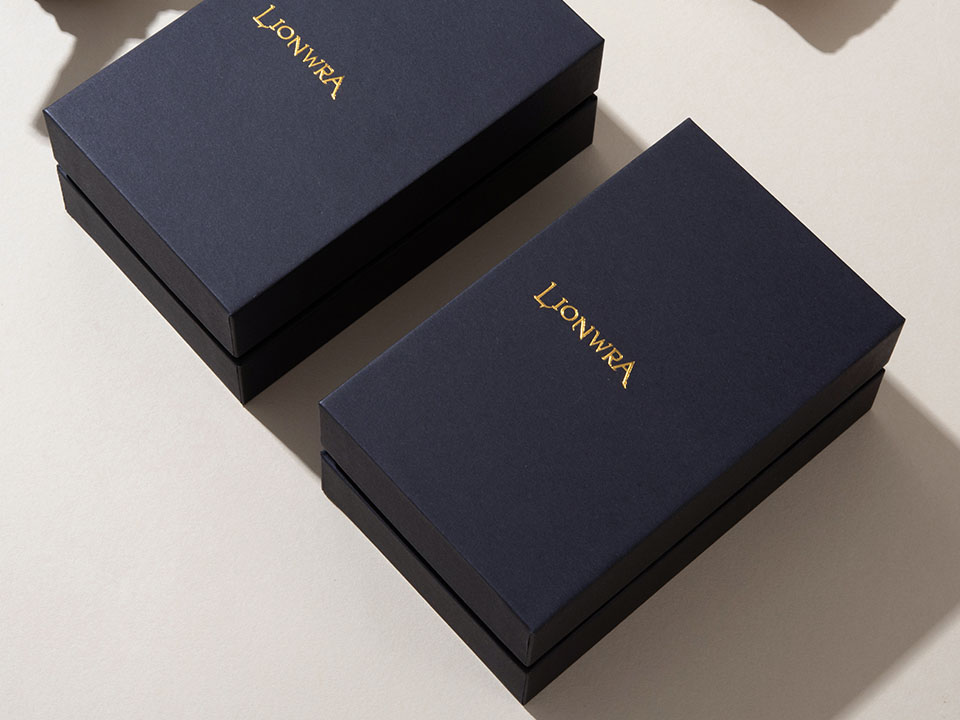
يمكن وضع الصندوق الجيد ذي الغطاء القابل للرفع على رف البيع بالتجزئة بفضل جدرانه الرأسية الأملس وحوافه العلوية الحادة ولوحة الغطاء الكبيرة القابلة للطباعة. وهذا يجعله مناسبًا لعمليات الختم بالرقائق المعدنية، والنقش البارز، والنقش الغائر، والطلاء بالأشعة فوق البنفسجية الموضعي، والتغليف الناعم الملمس، والورق المزخرف، وأنظمة الأكمام، والأشرطة المطبوعة المحيطة بالصندوق.
ومع ذلك، سأكون حذراً.
تبالغ العديد من العلامات التجارية في إضفاء اللمسات النهائية على العلبة. رقائق ذهبية هنا، وطلاء UV موضعي هناك، وشريط، وغطاء، وورق معدني، وطباعة داخلية، وربما القليل من النقش البارز لأن أحد العاملين في قسم التسويق طلب ذلك. والنتيجة؟ فوضى باهظة الثمن.
غالبًا ما تكمن الرفاهية في ضبط النفس. شعار واحد بارز. ورق واحد عالي الجودة. ملحق واحد مناسب. عرض أنيق.
الأفضل الصناديق حسب الأشكال لا تحاول إثبات كل شيء دفعة واحدة. فهي تجعل المنتج يبدو أمراً لا مفر منه.
الميزة الرابعة: ارتفاع القيمة المتصورة
وهنا يكمن الجانب المحرج: فالعملاء يصدرون حكمهم قبل أن يلمسوا المنتج.
هذا ليس سطحية. إنها علم نفس البيع بالتجزئة.
شركة ماكينزي استطلاع رأي أمريكي حول الاستدامة في مجال التغليف وقد توصلت الدراسة إلى أن العديد من المستهلكين يعتبرون خيارات التغليف جزءًا من قيمة المنتج، لا سيما عندما يكون هناك تضارب بين الاستدامة والجودة والتكلفة. كما أشارت دراسة سابقة أجرتها شركة ماكينزي إلى أن ما بين 60% و70% من المستهلكين الأمريكيين أفادوا بأنهم مستعدون لدفع مبلغ إضافي مقابل التغليف المستدام.
إذن، التغليف ليس محايدًا.
يُعبّر الصندوق ذو الغطاء القابل للرفع عن الجودة والعناية والحماية والموقع السعري. لكن هذا الصندوق نفسه قد يُعبّر أيضًا عن الإسراف في النفايات و«التضليل البيئي» والإفراط في التغليف إذا كان حجمه أكبر من اللازم أو محشوًّا بمواد غير ضرورية.
هذا هو الحافة الحادة.
بالنسبة للعلامات التجارية الفاخرة، يجب أن توحي العبوات الفاخرة المتينة بالحماية والتصميم المدروس، لا بأنها مبالغ فيها. يجب أن يفكر المشتري قائلًا: “هذا مناسب للمنتج”، لا أن يقول: “لقد استخدموا صندوقًا كبيرًا لإظهار قيمة زائفة”.”
رأيي القاطع: التغليف الصلب السيئ أسوأ من التغليف البسيط الصادق
سأقولها بصراحة. التغليف السيئ الصلب يزعجني أكثر من التغليف البسيط.
العلبة الكرتونية القابلة للطي التي تؤدي وظيفتها هي علبة صادقة. أما الصندوق ذو الغطاء القابل للفك المصمم بشكل سيئ، فهو يهدر المال بكل ثقة.
إذا كان الغطاء غير محكم الإغلاق، أو كانت الحشوة ضعيفة، أو كان حجم الصندوق أكبر من اللازم، أو تم إضافة اللمسات النهائية لأغراض زخرفية فقط، فإن العبوة تصبح ثقيلة ومكلفة ومسببة للإهدار. قد تبدو جيدة في الصور. وقد تحصل على الموافقة في اجتماع سريع. ثم يبدأ الإنتاج الفعلي. فتظهر تكاليف الشحن. ويزداد حجم المخزون. تصبح الصناديق الخارجية غير فعالة. تفشل الحشوات. ولا تزال الزوايا تتعرض للتلف بسبب تصميم الصينية غير المدروس.
إذن، ما الذي اشترته العلامة التجارية بالفعل؟
لا تكمن الفخامة الحقيقية في التغليف في استخدام المزيد من المواد، بل في استخدام الهيكل المناسب، وسماكة الورق المقوى المناسبة، والملحق المناسب، وتجربة الفتح المناسبة. أحيانًا يعني ذلك استخدام ورق مقوى بسماكة 1.5 ملم، وأحيانًا 2.0 ملم، وأحيانًا 2.5 ملم، وأحيانًا يكون مادة EVA هي الخيار الأنسب. وأحيانًا يكون الورق المقوى هو الخيار الأفضل. وأحيانًا يمنح اللب المقولب العلامة التجارية قصة أقوى في مجال الاستدامة.
وأحيانًا — ورغم أن الاعتراف بذلك يصعب على الموردين — لا ينبغي للعميل استخدام الصندوق الصلب على الإطلاق.
الضغوط المتعلقة بالاستدامة لم تعد أمراً اختيارياً
ومع ذلك، تواجه العبوات الصلبة الآن مشكلة أخرى، وهي التدقيق في النفايات.
أفادت هيئة «يوروستات» أن الاتحاد الأوروبي أنتج 79.7 مليون طن من نفايات التغليف في عام 2023، أي ما يعادل 177.8 كيلوغرامًا لكل فرد، وفقًا لـ بيانات يوروستات لعام 2025 بشأن نفايات التغليف. وشكلت الورق والكرتون 40.4% من نفايات التغليف تلك. أما البلاستيك فقد شكل 19.8%.
هذه الأرقام مهمة إذا كنت تبيع عبوات فاخرة إلى أوروبا.
تقول المفوضية الأوروبية إن لائحة التغليف ونفايات التغليف رقم 2025/40 دخلت حيز التنفيذ في 11 فبراير 2025، وتسري عمومًا اعتبارًا من 12 أغسطس 2026. وهي تشمل مواد التغليف المطروحة في سوق الاتحاد الأوروبي، وتحدد قواعد تتعلق بتركيبتها وقابليتها لإعادة التدوير واستردادها والوقاية من النفايات.
لذا، لا، فصندوق التجهيز الصلب المصنوع من الورق لا يحصل تلقائيًا على إعفاء.
يجب أن يكون حجم الصندوق ذي الغطاء القابل للرفع مناسبًا. وينبغي إعادة النظر في المحتويات المرفقة. كما ينبغي الحد من استخدام المواد المختلطة قدر الإمكان. ولا ينبغي إضافة الطبقة البلاستيكية بشكل عشوائي. أما “الحجم الفاخر” الزائد عن الحاجة فيجب أن يكون له سبب وجيه.
لأن الجهات التنظيمية والمشترين والمستهلكين أصبحوا جميعًا أكثر يقظة الآن.
الحالات التي تكون فيها الصناديق ذات الأغطية القابلة للرفع هي الخيار الأمثل
من واقع خبرتي، تُعد الصناديق ذات الغطاء القابل للرفع الخيار الأمثل عندما يحتاج المنتج إلى الحماية وإضفاء طابع احتفالي في آن واحد.
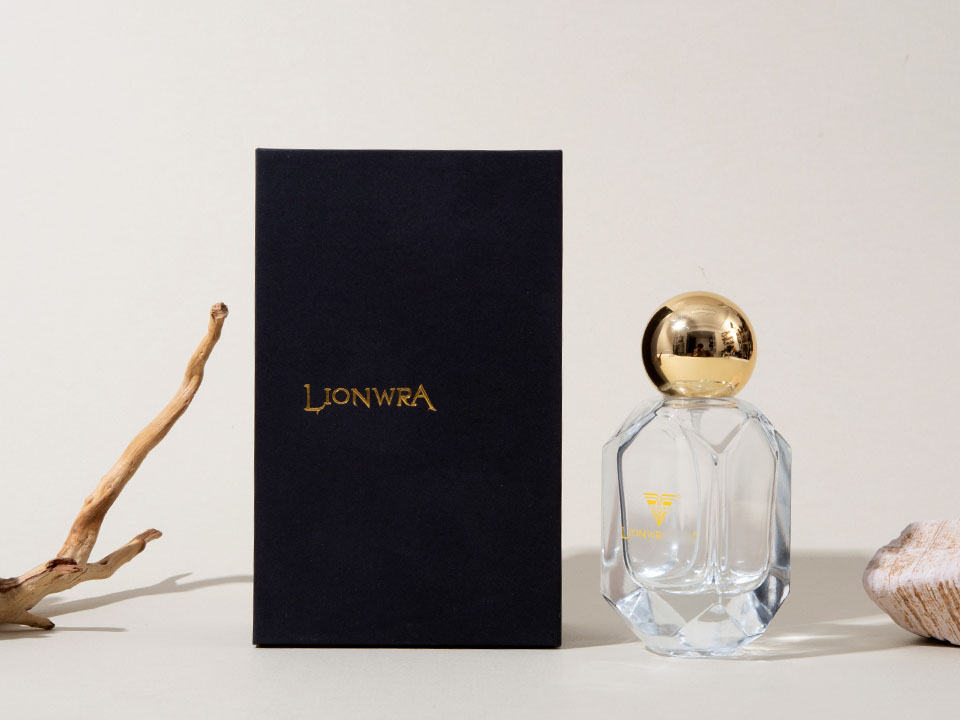
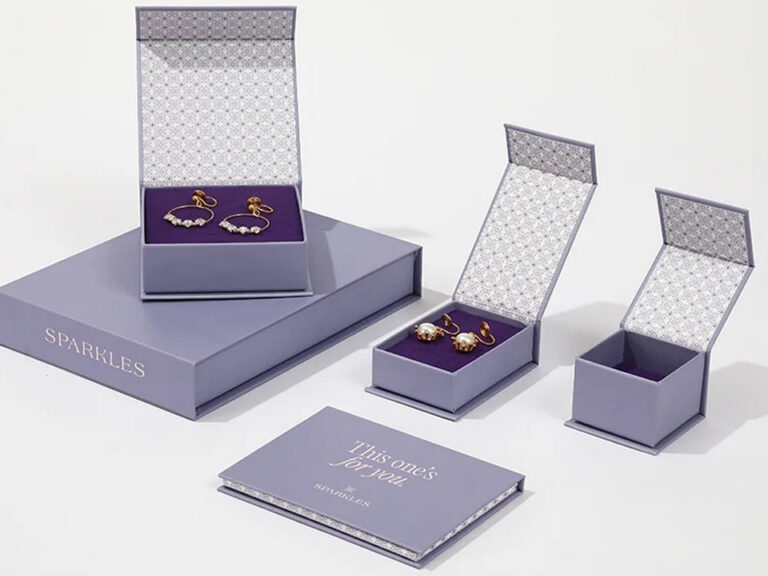
العطور هي الخيار الأكثر بديهية. وكذلك الشموع، والمجوهرات، والساعات، ومجموعات العناية بالبشرة، ومستلزمات التجميل، والأواني الزجاجية، والهدايا الفاخرة، والشاي الفاخر، والتغليفات المؤسسية المخصصة لكبار الشخصيات. فهذه المنتجات لا تحتاج إلى الصندوق لمجرد الاحتواء فحسب، بل تحتاج إليه لإبراز المنتج.
كما أن هذه البنية تعمل بشكل جيد عندما تمتلك العلامة التجارية خط إنتاج.
نفس التصميم الأساسي. أحجام مختلفة. حشوات مختلفة. قوام ورق مختلف. ألوان رقائق معدنية مختلفة. على سبيل المثال، يمكن لعلامة تجارية للعطور أن تستخدم نظام تغليف واحدًا بالعلب الصلبة لجميع وحدات التخزين (SKU) بسعات 30 مل و50 مل و100 مل، مع تعديل الدعم الداخلي وارتفاع الغطاء.
وهذا يضفي على الرف طابعًا عائليًّا.
لكن لا تحاول التظاهر. فإذا كان المنتج رخيصًا، أو هشًا بشكل طفيف فقط، أو يُباع في الغالب عبر قنوات التجارة الإلكترونية التي تهتم بالتكلفة، فقد يكون استخدام علبة كرتون قابلة للطي أو مظروف بريدي خيارًا أكثر منطقية من الناحية التجارية.
ما يجب على المشترين تحديده قبل طلب عرض الأسعار
لا ترسل إلى المورد جملة واحدة تقول: “أحتاج إلى سعر الصندوق الفاخر”.”
هذا ليس طلب عروض أسعار. إنه مجرد لعبة تخمين.
إن طلب عرض الأسعار المفيد يزود مهندس التغليف بالمعلومات الكافية لتصميم الهيكل بدلاً من الاكتفاء بتزيين الجزء الخارجي فقط. حجم المنتج. وزن المنتج. النقاط الهشة. شكل الزجاجة. شكل الغطاء. مخاطر خدش السطح. الكمية. السوق المستهدفة. طريقة الشحن. قناة البيع. خطة العرض في متاجر البيع بالتجزئة. تفضيلات الملحقات الداخلية. نطاق الميزانية إن أمكن.
يحتاج الزجاج والمعدن والورق والبلاستيك إلى وسائل حماية مختلفة
قناة المبيعات
تنطوي عمليات عرض المنتجات في متاجر البيع بالتجزئة، وشحن منتجات التجارة الإلكترونية، ومبيعات الهدايا على مخاطر مختلفة
السوق المستهدفة
قد تؤثر أسواق الاتحاد الأوروبي والولايات المتحدة والمملكة المتحدة وغيرها على القرارات الجوهرية
التشطيب المطلوب
تكلفة التغليف بالرقائق المعدنية، أو النقش البارز، أو التغليف باللامينات، أو الورق الخاص، أو التغييرات المتعلقة بطباعة الأشعة فوق البنفسجية الموضعية
نوع الإدراج
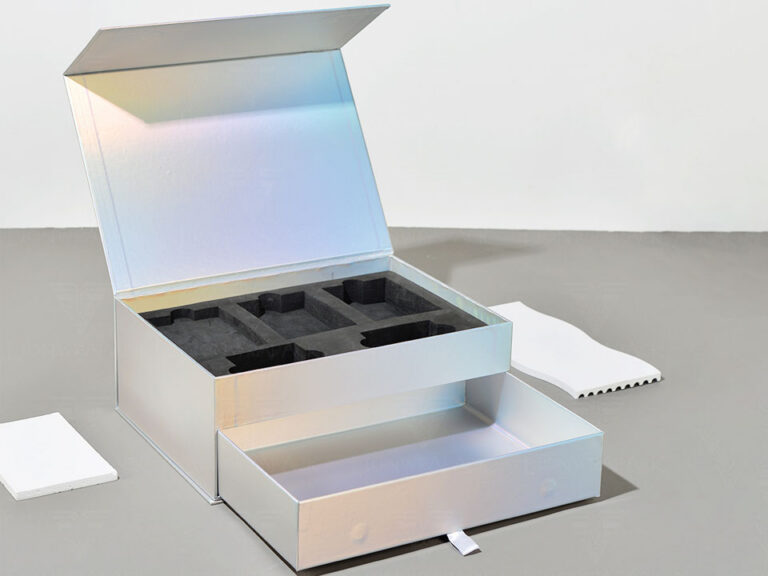
يؤثر كل من مادة EVA، والورق المقوى، واللب المقولب، والرغوة، أو القماش على مستوى الحماية والانطباع
الحد الأدنى لكمية الطلب والحجم السنوي
يتولى الإشراف على الأدوات، وتكلفة الوحدة، وتخطيط الإنتاج
طريقة الشحن
الشحن الجوي يعاقب التغليف الثقيل؛ أما الشحن البحري فيعاقب سوء تخطيط الكرتون
يبدو هذا الجدول بسيطًا. لكنه ليس كذلك.
وإذا فاتتك إحدى هذه العناصر، فقد يتمكن المورد مع ذلك من إنتاج عينة جميلة. لكن العينات الجميلة قد تتحول إلى طلبات إنتاج سيئة عندما يتم الكشف عن تفاصيل تحميل الكرتون، وملاءمة الملحقات، ووقت التجميع، وحجم الشحن.
التكلفة الخفية: تكاليف النقل الجوي والإقامة ومساحة التخزين
إليكم أمرًا لا يدركه المشترون إلا متأخرًا: الصناديق الصلبة تحتوي على كمية كبيرة من الهواء.
هذا لا يعني أنهم سيئون. بل يعني أنه يجب الدفاع عن هذا الحجم.
الصندوق ذو الغطاء القابل للرفع الذي يحتوي على مساحة داخلية زائدة يبدو مضيعة للموارد. أما الصندوق الذي يكون مرتفعًا جدًّا فيخلق حجمًا غير مستغل. وقد تحمي الحشوة السميكة المحتوى، لكنها تقلل من كفاءة الكرتون. وقد يبدو الغطاء العميق فاخرًا، لكنه قد يزيد من كمية الورق المقوى والوزن وحجم الشحن دون تحسين تجربة العميل.
وهنا يجب على إدارة المشتريات أن تقاوم ذلك.
اسأل عن كمية الكرتون الخارجي. اسأل عن الوزن الإجمالي. اسأل عن أبعاد الكرتون. اسأل عن عدد الوحدات التي تتسع لكل منصة نقالة. اسأل عما إذا كان من الممكن إعادة تصميم الحشوة. اسأل عما إذا كان من الممكن تحقيق نفس المسافة البارزة باستخدام صندوق أصغر حجمًا.
يجب أن تتحمل التكاليف المالية في مجال التغليف الفاخر.
متى تكون الصناديق ذات الغطاء القابل للرفع خيارًا غير مناسب؟
أحيانًا تكون الإجابة «لا».
إذا كان المنتج ذو هامش ربح منخفض، أو يُباع بكميات كبيرة، أو يُشحن جواً، أو يُصنف على أنه عملي وليس فاخر، فقد تكون الصناديق ذات الغطاء القابل للرفع مبالغةً. إذا كان العميل بحاجة إلى فتحة مفصلية، فاستخدم صندوقًا مزودًا بإغلاق مغناطيسي. أما إذا كانت العلامة التجارية بحاجة إلى فتحة متدرجة ذات طابع معماري أكثر، فقد تكون الصناديق الصلبة ذات العنق والكتف خيارًا أفضل. وإذا كان الشاغل الرئيسي هو التعرض لسوء المعاملة أثناء الشحن، فقد يكون الحل المتمثل في استخدام الكرتون المموج أكثر فائدة.
وإذا كانت العلامة التجارية نفسها ضعيفة، فلن يتمكن أي هيكل تنظيمي من معالجة ذلك.
يمكن للصندوق الصلب أن يضاعف القيمة. لكنه لا يستطيع أن يخلقها من العدم.
الأسئلة الشائعة
ما هي الصناديق ذات الغطاء القابل للرفع؟
الصناديق ذات الغطاء القابل للرفع هي صناديق تغليف صلبة مكونة من قطعتين، تتألف من غطاء وقاعدة منفصلين، وتُستخدم للمنتجات الفاخرة لأنها توفر حماية أقوى، ومظهرًا أنيقًا، وكشفًا أبطأ عن المنتج مقارنةً بالعلب القابلة للطي القياسية. وتُعرف أيضًا باسم الصناديق الصلبة ذات الغطاء القابل للرفع، أو الصناديق الصلبة المكونة من قطعتين، أو الصناديق الصلبة القابلة للتركيب.
يُستخدم هذا التصميم بشكل شائع في صناعة العطور والمجوهرات والشموع ومستحضرات التجميل والساعات والأواني الزجاجية وتغليف الهدايا الفاخرة. يمكن أن يتضمن الجزء الخارجي ورقًا ملفوفًا، أو طباعة بالرقائق المعدنية، أو النقش البارز، أو النقش الغائر، أو التغليف ذي الملمس الناعم، أو الورق المزخرف، أو تصميمات فنية مطبوعة. أما الجزء الداخلي فيحتاج عادةً إلى ملحق مناسب، وليس مجرد مساحة فارغة.
لماذا تُستخدم الصناديق ذات الغطاء القابل للرفع في التغليف الفاخر؟
تُستخدم الصناديق ذات الغطاء القابل للرفع في التغليف الفاخر لأنها تحمي المنتج، وتعزز القيمة المتصورة، وتخلق لحظة فتح العبوة التي يمكن التحكم فيها بفضل هيكلها المكون من غطاء وقاعدة منفصلين. ويبدو هذا الصندوق أبطأ وأثقل وأكثر دقة مقارنةً بالكرتون القابل للطي، مما يساعد في تعزيز مكانة المنتج الفاخرة.
ومع ذلك، فإن الهيكل لا يعمل بشكل صحيح إلا عندما يتم تصميم التفاوت المسموح به للغطاء وسماكة اللوح والبطانة والتشطيب بشكل صحيح. فالغطاء غير المحكم أو البطانة الضعيفة تجعل الصندوق يبدو رخيصًا، حتى لو كانت تكلفة المواد مرتفعة.
هل الصناديق الصلبة ذات الغطاء القابل للرفع أفضل من الصناديق الكرتونية القابلة للطي؟
تُعد الصناديق الصلبة ذات الغطاء القابل للرفع خيارًا أفضل من العلب القابلة للطي عندما يحتاج المنتج إلى حماية أقوى للزوايا، وتأثيرًا أكبر على الرفوف، وتجربة فتح أكثر فخامة. وعادةً ما تكون العلب القابلة للطي أرخص وأخف وزنًا وأكثر كفاءة من حيث تكاليف الشحن، لكنها لا توفر نفس الصلابة أو الانطباع الفاخر.
بالنسبة للمنتجات الاستهلاكية المخصصة للبيع بالتجزئة على نطاق واسع، قد تكون العلب الكرتونية القابلة للطي هي الخيار الأكثر ذكاءً. أما بالنسبة للعطور والمجوهرات والشموع ومجموعات الهدايا الفاخرة، فغالبًا ما تكون الصناديق الصلبة ذات الغطاء القابل للفك هي الخيار الأكثر ملاءمةً، لأن العبوة يجب أن تعكس القيمة المضافة للمنتج قبل أن يتم التعامل معه.
ما هي المنتجات الأنسب لصناديق ذات أغطية قابلة للرفع حسب الطلب؟
تُعد الصناديق المخصصة ذات الأغطية القابلة للرفع الخيار الأمثل للمنتجات الفاخرة التي تتطلب الحماية والعرض في آن واحد، مثل زجاجات العطور، ومجموعات العناية بالبشرة، والشموع، والمجوهرات، والساعات، والأواني الزجاجية، والشاي الفاخر، والهدايا الفاخرة، ومجموعات الترويجية المخصصة لكبار الشخصيات. وتتميز هذه المنتجات باستخدام الألواح الصلبة، والملحقات الدقيقة، وتصميم يتيح الكشف التدريجي عن محتوياتها.
لا يُعد هذا التصميم مناسبًا للمنتجات منخفضة التكلفة للغاية، أو السلع الأساسية التي تُباع بكميات كبيرة، أو المنتجات التي تكون فيها كفاءة الشحن أكثر أهمية من تأثيرها على مبيعات التجزئة. يجب على المشترين مقارنة تكلفة الوحدة، وسعة التحميل في الكرتون، ومتانة الملحقات الداخلية، وحجم الصندوق النهائي قبل الموافقة على الإنتاج.
ما الذي يجعل صندوق الغطاء القابل للرفع يبدو فاخراً؟
يُعتبر الصندوق ذو الغطاء القابل للرفع فاخراً عندما يكون الغطاء ملائماً بدقة، وتكون سماكة الورق المقوى مناسبة، وتثبت الحشوة المنتج بإحكام، ويبدو التشطيب مدروساً وليس مجرد زخرفة. فالرفاهية الحقيقية تنبع من التناسق، والتفاوت المسموح به، والالتزام بمعايير المواد، وملمس الفتح.
قد يبدو الورق غير اللامع النظيف الذي يحمل شعارًا واحدًا مطبوعًا بالرقائق المعدنية بدقة أكثر فخامة من صندوق مليء بالتأثيرات المعدنية. يجب أن يلاحظ المشتري الثقة، لا الضجيج.
هل الصناديق ذات الغطاء القابل للرفع مستدامة؟
يمكن أن تكون الصناديق ذات الأغطية القابلة للرفع مستدامة عندما تكون ذات الحجم المناسب، وقابلة لإعادة التدوير، وقابلة لإعادة الاستخدام، ومصنوعة من الورق المقوى المنتج بطريقة مسؤولة، ومصممة باستخدام عدد أقل من المواد المختلطة. وتصبح أقل استدامة عندما تكون كبيرة الحجم بشكل مفرط، أو مبالغًا في تصنيعها، أو مغلفة بطبقة لا لزوم لها، أو مزودة بملحقات يصعب فصلها.
وبالنسبة للعلامات التجارية التي تبيع منتجاتها في أوروبا، فإن هذا الأمر يكتسب أهمية أكبر لأن القواعد المتعلقة بنفايات التغليف أصبحت أكثر صرامة. ولا يزال الصندوق الصلب المصنوع من الورق يتطلب اختيارات ذكية للمواد، وأبعادًا فعالة، وخطة واقعية للتخلص منه في نهاية عمره الافتراضي.
خطواتك التالية
لا تطلب “مقصورة فاخرة”.”
اطلب الصندوق المناسب.
يرجى إرسال أبعاد المنتج ووزنه والصور والسوق المستهدفة وقناة البيع والكمية ومتطلبات التشطيب وتفضيلات الملحقات وطريقة الشحن. ثم قم بمقارنة التصميمات بصدق: الصناديق الصلبة ذات الغطاء القابل للرفع، والصناديق الصلبة المكونة من قطعتين، والصناديق الصلبة ذات العنق الجانبي، والصناديق ذات الإغلاق المغناطيسي، والعلب الكرتونية القابلة للطي، أو المغلفات البريدية المصنوعة من الورق المقوى المموج.
إذا كان المنتج يحتاج إلى الحماية والرقي وإلى إضفاء طابع فاخر على تجربة التسوق، فقد تكون الصناديق ذات الغطاء القابل للرفع هي الخيار الأمثل.
وإن لم يكن الأمر كذلك، فلا تجبر نفسك على ذلك.
تبدأ العبوات الفاخرة بالاعتدال. يجب أن تضفي العلبة على المنتج طابعًا من القيمة قبل أن يلمسه العميل — ويجب أن تحقق ذلك دون إهدار الورق المقوى أو تكاليف الشحن أو ثقة المشتري.